Space-Saving Solutions: Innovative Ideas from Building Companies to Optimize Your Home

Homeowners are looking for ways to maximize their available space as urban populations continue to rise and living quarters get smaller. Building companies are stepping up to the plate and providing a variety of cutting-edge, technologically advanced space-saving solutions. In this post, we’ll look at some of the most original suggestions for making your house a more open, comfortable, and functional place to live.

Multi-functional Furniture

Investing in furniture with many uses is one of the essential ways to make the most of the space in any home. Building businesses and furniture designers are now collaborating together to provide adaptive and versatile furniture that meets the demands of contemporary life.

Designs for transformable furniture are becoming more and more common since they provide a wonderful method to conserve space without compromising comfort. Examples include convertible tables that can be used for both dining and working, wall beds that fold away when not in use, and sofa beds that are simple to use as sleeping surfaces.
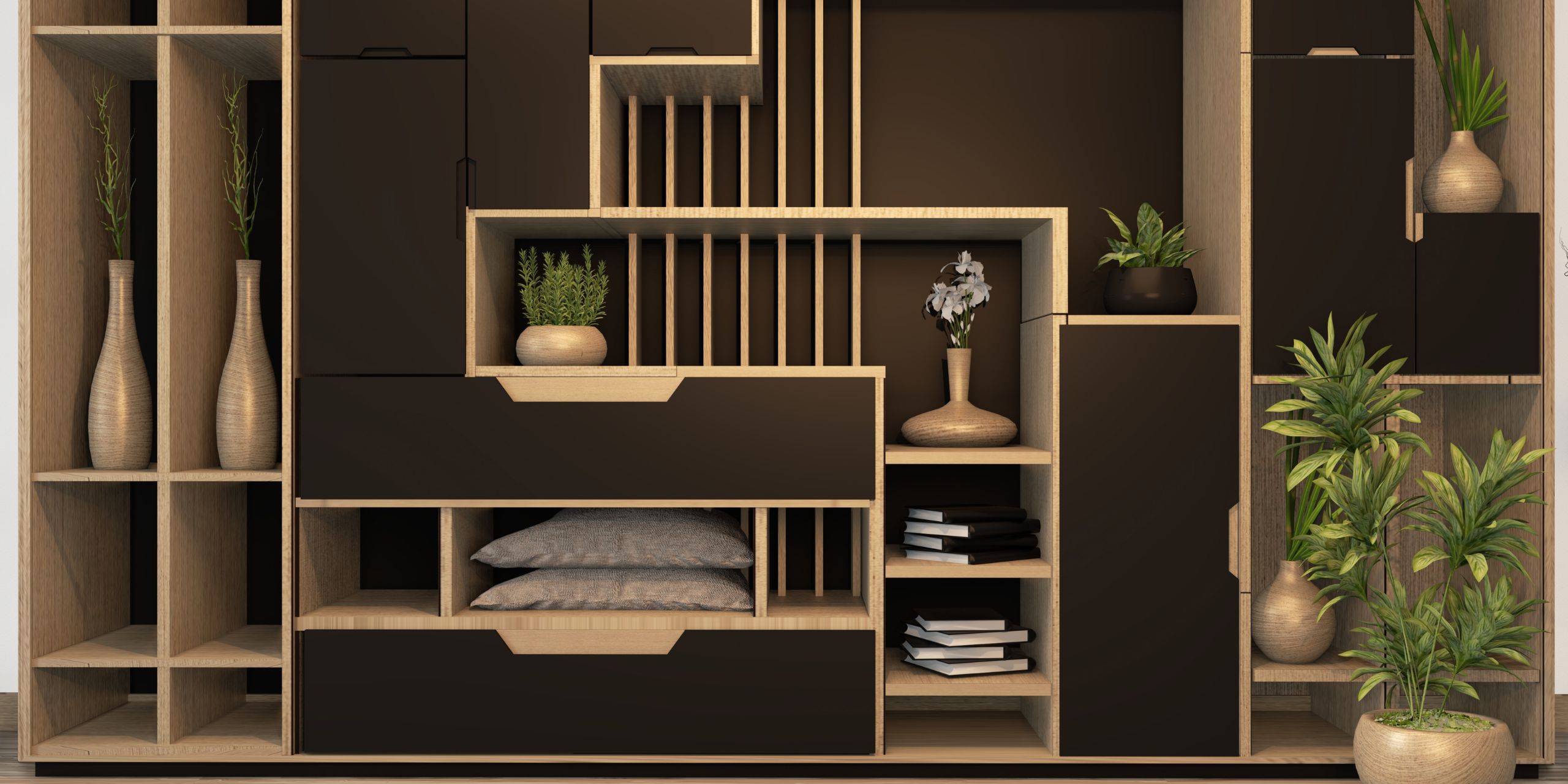
Multi functional furniture

Another solution for reducing space that construction companies are increasingly adding into their designs is built-in furniture. In addition to offering a comfortable hideaway for reading or relaxing, window chairs with storage compartments also provide extra space for books, blankets, or other goods. Similar to fold-away workstations, modular shelving systems can be effortlessly incorporated into walls or other buildings, enabling homeowners to maximize their available space.

Optimal Storage Options

A home must have functional storage options to stay organized and clutter-free. Building businesses have developed a range of innovative strategies to utilize every square inch of space.

For compact or confined spaces, vertical storage is a very useful design element. Building businesses are assisting customers maximize the sometimes neglected vertical space in their homes through the use of wall-mounted shelves, overhead storage, and floor-to-ceiling cabinetry, to name a few.

Another creative method for clearing up clutter is to use hidden storage options. For instance, you can create storage under the stairs by adding drawers, cupboards, or even a small pantry. Another inventive solution for keeping objects that aren’t used often is to store them under the floor, and recessed wall niches can offer more storage without taking up valuable floor space.

Open-Concept Living Areas

Since it enables a more flexible and adaptable use of space, the idea of open-plan living has grown in popularity in recent years. Building businesses may create a sense of spaciousness and movement, making smaller houses feel larger and more inviting, by removing unwanted walls and impediments.

When temporary divisions are required, flexible partition alternatives, such as sliding doors, folding screens, or moveable walls, can be employed to provide seclusion or separation without sacrificing the advantages of an open concept.

Using Smart Home Technology to Maximize Space

The effectiveness and utility of a space-efficient home can be further improved by the incorporation of smart home technology. Home automation systems, for instance, eliminate the need for many devices and conserve space by letting users control lighting, heating, and entertainment systems from a single interface.

Another area where technology is significantly assisting in space optimization is compact appliances. Building companies are increasingly advising elegant and space-saving kitchen appliances like combo microwave ovens and under-counter refrigerators. Compact washer-dryer combos and drying racks installed on walls are two energy-efficient laundry options that can also help free up room in smaller houses.
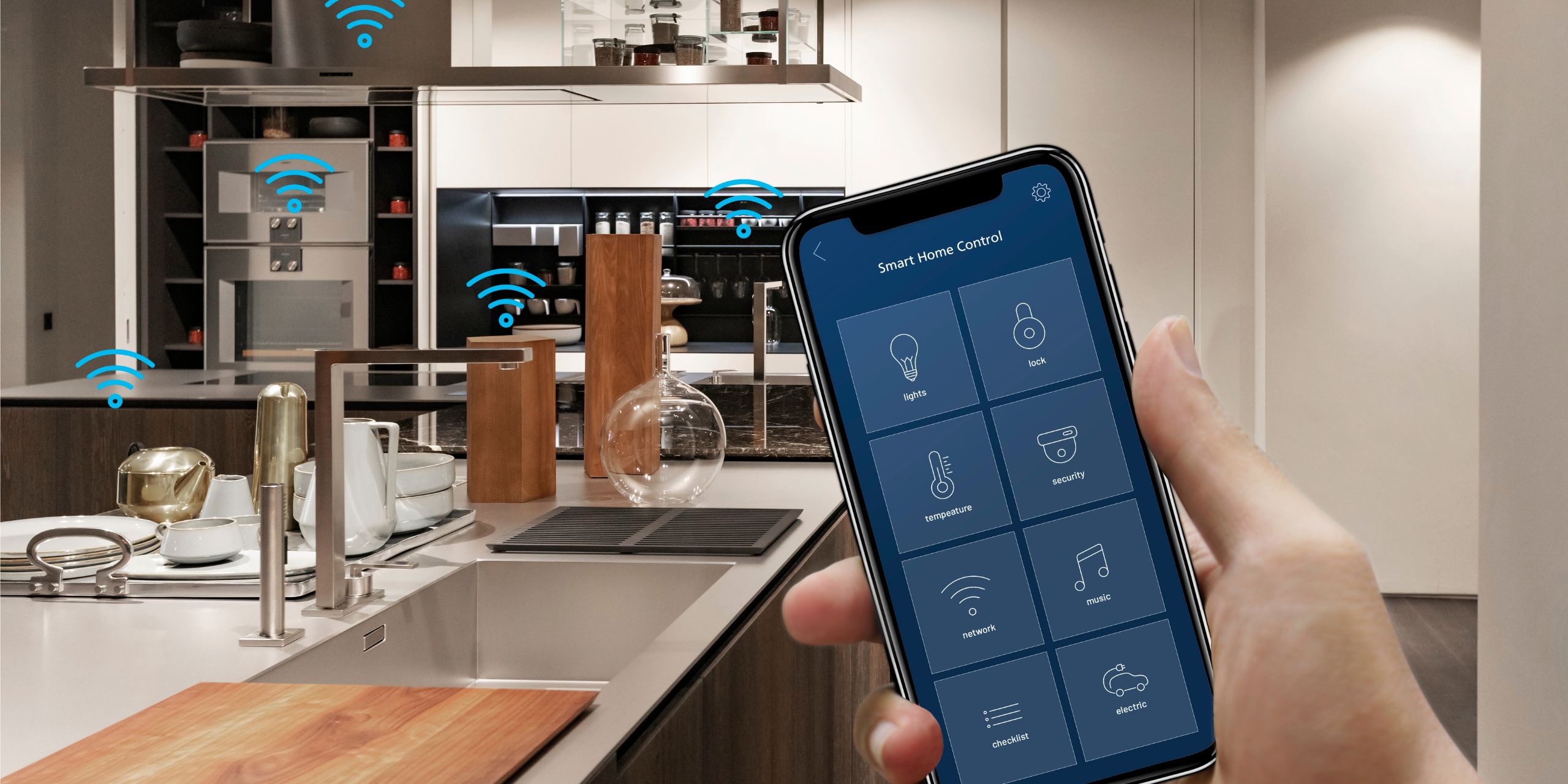
Smart Home Technology

Use of Exterior Space

Building companies are focusing on the outdoors as interior living spaces get smaller and look for creative methods to expand living spaces outside the home.

Decks and patios are two increasingly popular outdoor living spaces that give homeowners more room for entertaining and relaxing. These areas can be created by construction companies with outdoor furniture that is foldable or stackable, making it simple to stow when not in use and offering a chic and comfortable atmosphere for al fresco dining or mingling.

Another useful technique to make use of outdoor space, especially for individuals with limited outdoor space, is to use vertical gardens and green walls. These living walls allow homeowners to grow their own herbs, veggies, or flowers while also adding visual appeal and sustainability to urban gardening.

In order to maximize their available outside space, homeowners are increasingly choosing rooftop terraces and garden areas. Incorporating elements like seating areas, fire pits, or even tiny pools or hot tubs, building companies can construct these spaces to be both practical and visually beautiful, resulting in a tranquil respite above the bustle of daily life.

In summary, construction firms are at the forefront of creating novel space-saving solutions that can aid homeowners in maximizing their living areas. These innovative concepts are changing the way we live and interact with our homes, from open-plan living areas and effective storage solutions to smart home technologies.

Homeowners can create a more effective, practical, and comfortable living space that not only fits their needs but also improves their quality of life by adopting these space-saving techniques and collaborating closely with construction firms. The potential for space optimization is truly limitless with careful planning and a focus on innovation.
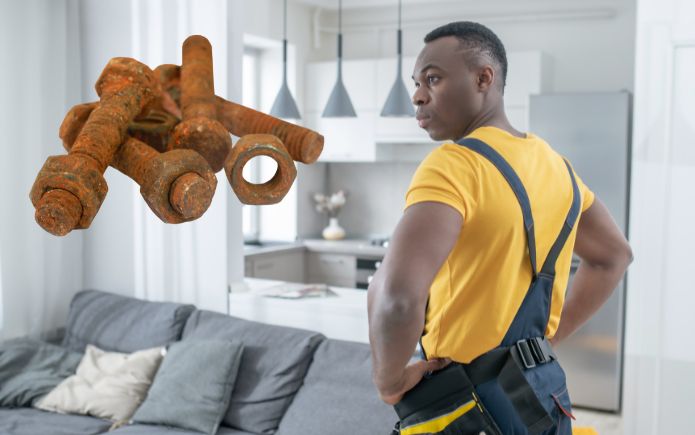

Rust-Proof Your Home: Unleash the Timeless Elegance of Aluminum

Imagine the heartache of witnessing your once majestic wooden deck or striking steel patio furniture slowly succumb to the clutches of rust, a silent decay that ultimately robs your home of its beauty and allure. Chances are you’ve experienced this heartache first-hand as reminders of neglect slowly gnaw away at your once-flourishing home environment. But what if you could wrap your home in an impenetrable shield, safe from rust and corrosion?

Aluminum is rust-resistant

Aluminum swoops in like a knight in shining armor to save the day. Discover why aluminum is the ideal ally in safeguarding your cherished home haven with this illuminating article. Using aluminum in home construction unlocks a wealth of elegant design possibilities and offers unparalleled durability and rust resistance. From sleek and modern siding options to gorgeous and intricate railing designs, aluminum is a versatile material that can be tailored to any home aesthetic. Moreover, its lightweight properties make it easy to install and handle, making it a favorite among contractors and DIY enthusiasts alike.

Wood vs. Aluminum: Emerging Victorious in the Battle Against Decay

Picture this – wood, the star player of Team Decay, and aluminum, the tenacious underdog, face off in a game to determine which can rise to the occasion in the face of adversity. In the grueling test of time, wood loses its sheen and weakens against natural elements. It has to endure ‘wear and tear’ at the hands of termites, wood rot, and swelling, all of which are just vultures waiting to feast upon its remains.

Meanwhile, aluminum stands resilient, a gladiator in the arena – well-armed and poised to champion your home’s fight against everyday wear and tear. It is lightweight, strong, and low maintenance, restoring everlasting beauty to your dwelling while banishing the specter of wood rot, swelling, and warped planks. Using aluminum in home construction has emerged as a game-changer, winning the battle against decay and rust.

In the home construction and maintenance world, protecting your investment against rust and corrosion is key to preserving its beauty and structural integrity.

Steel vs. Aluminum: Escaping the Iron Jaws of Corrosion

Though strong and formidable, steel carries a tragic flaw: it rusts. Like a once-popular celebrity in fading splendor, it ultimately succumbs to external pressures, revealing its vulnerable insides. Meanwhile, aluminum, the silver screen star that never ages, retains its luster and continues to shine, impervious to the devastating effects of corrosion. In the battle against rust and corrosion in home construction, aluminum undoubtedly emerges victorious over wood and steel. The numerous benefits of aluminum in home construction cannot be understated. From its versatility in design options to its lightweight and low-maintenance properties, aluminum has become a preferred choice for homeowners and contractors alike. When it comes to durability against natural elements and wear, aluminum emerges as the champion in the battle against decay.

Advantages of Being Rust-Proof: Eternal Beauty in a Sea of Decay

In a world where time commits its ravages, aluminum emerges as the perfect sentinel to safeguard your home from decay. From window frames to fencing, it remains untarnished by the hands of oxidation, preserving the original charm of your modern-day fortress.

You no longer have to paint your house like the Sistine Chapel, for the days of chipping paint and rust stains are gone; aluminum outshines rusty steel, and its infinity lasts as long as the night sky’s brightest constellation.

Start with something as simple as replacing your balcony railings with the proper height. Watch the aluminum revolution work its magic from the inside out, standing as a protective barrier between your beloved home and the relentless sands of time. When it comes to home construction and maintenance, the battle against rust and corrosion is of utmost importance. Aluminum has emerged as a game-changer in home construction and maintenance, offering a resilient alternative to steel which carries the tragic flaw of rust. Using aluminum in home construction has become an important factor to consider because it offers several advantages over steel, particularly its exceptional resistance to rust and corrosion. Aluminum’s resistance to rust and corrosion has made it the perfect choice for homeowners who want to protect their investments against the devastating effects of decay. Investing in rust-proof materials for home construction and maintenance is key to preserving your property’s beauty and structural integrity.

Conclusion: Embrace the Elegance and Durability of Aluminum

Bid farewell to the heartache of witnessing your home’s slow decay and usher in a new era of enduring elegance. Break free from the shackles of rust, wood rot, and corrosion, and rise to new heights with aluminum by your side.

Embrace aluminum’s radiant and rust-proof qualities to give your home that much-needed boost in durability, style, and longevity. Together, you and aluminum shall stand tall against the test of time, creating a preserved and polished sanctuary throughout the ages. So why wait? Explore the boundless potential of aluminum today.

From Foundation to Roof: How Building Companies Ensure Structural Integrity in Home Construction

Developing the cornerstone for a secure and comfortable life requires careful consideration throughout home construction. Most people’s largest investment will be in a home, which also provides security, comfort, and a place of sanctuary. It is crucial to ensure that homes are constructed appropriately because a person’s home can affect their health, happiness, and general well-being. Home construction is incredibly important in determining how we live our lives, from structural stability to design aesthetics. For this reason, it’s critical to use knowledgeable personnel, dependable components, and cutting-edge construction methods to build homes that are secure and fun to dwell in.

ROLE OF BUILDING COMPANIES IN IMPROVING HOME CONSTRUCTION

The quality of home construction has been significantly improved by construction companies. These businesses are in charge of building houses that are not only visually pleasing but also secure, long-lasting, and environmentally friendly. Building firms make investments in development and research to find new building methods and materials, which results in the creation of creative and environmentally friendly building processes. In order to assure high-quality workmanship, they also employ skilled personnel and offer training and education, which improves the general safety and caliber of the homes they construct. Construction businesses use quality control procedures to guarantee that homes are built to the best level, lowering the possibility of structural problems or other problems. Building companies also use technology to enhance the precision, effectiveness, and teamwork of the design process. All of these elements add to the significant role that construction firms play in enhancing residential building.

BUILDING COMPANIES INVESTING IN RESEARCH AND DEVELOPMENT IN IMPROVING HOME CONSTRUCTION

Building businesses make research and development investments to enhance home construction in a variety of ways. They devote energy and money to researching new building materials, methods, and cutting-edge procedures that can improve homes’ sustainability, efficiency, and safety.

Building firms have the option of doing internal research and development or working with specialists from the industry and external researchers. For instance, they might collaborate with academic institutions, designers, or engineers to test novel building materials, including eco-friendly insulation or concrete with increased strength. To increase the efficiency and speed of home construction, construction companies may also experiment with novel construction methods like 3D printing or pre – assembly.

To guarantee that novel approaches and materials live up to the high expectations of the construction sector, the research and development process includes a thorough testing and assessment phase. Testing for robustness, safety, and durability is part of this. In order to ensure that their methods are sustainable and reduce waste, building businesses may also research the environmental effects of the products and construction techniques they employ.

By keeping abreast of the most recent developments in construction technology and methodology, building organizations that engage in research and development can obtain a competitive edge in the sector. They can also provide their customers with the most recent innovations in home building, which will make their houses safer, more cost-effective, and more energy-efficient.

In general, construction firms invest in research and development to stay on the cutting edge of house construction innovation, resulting in better homes for their clients and helping to create a construction industry that is safer, more sustainable, and more effective.

BUILDING COMPANIES ATTRACT AND RETAIN SKILLED LABOR TO IMPROVE HOME CONSTRUCTION

Construction of a great home requires skilled work. Construction workers with specialized training and experience, such as carpenters, electricians, plumbers, masons, and other craftsmen, are considered skilled laborers. Here are a few advantages of using competent personnel when building a house:

  • High caliber of work

Workers with specialized skills have the knowledge and training to carry out their tasks to the highest levels. Since they are experts in their field, they have specific knowledge that enables them to finish jobs swiftly and effectively while keeping a high standard of quality. As a consequence, you get a solidly constructed house that is long-lasting, attractive, and structurally sound.

  • Lower expenses

In a number of ways, skilled laborers can contribute to lowering building costs. For instance, they can spot possible flaws before they develop into bigger concerns, which will prevent the need for expensive repairs and time-consuming delays. In addition, trained employees may do jobs faster and more effectively, cutting down on labor expenditures and project costs overall.

  • More rapid project completion

Due to their particular expertise and experience, skilled laborers are able to execute jobs swiftly and effectively. Due to the shorter total project deadlines and earlier homeowner occupancy, construction projects may now be finished more swiftly.

  • Enhanced safety

Expert employees are well-versed in construction safety guidelines and benchmarks. They can recognize potential risks on the working site and take action to reduce them, such as utilizing the appropriate safety gear and making sure that work places are secure. This makes the workplace safer for all employees and lowers the possibility of accidents or injuries.

  • Increased inventiveness

Construction problems are frequently amenable to inventive solutions from skilled workers. They are skilled problem solvers who can use their imagination to come up with creative answers to challenging construction issues. Unique and appealing home designs that stand out from the competition might result from this innovation.

Skilled labor is a crucial element in the effective construction of a home. Construction projects benefit greatly from the expertise, quality, and efficiency that skilled laborers bring to the table. They can aid in lowering project costs and schedules overall, enhancing workplace safety, and offering innovative answers to construction problems. Working with professional workers ensures that homeowners get a long-lasting, high-quality home.

The bottom line is that working with a professional building companies may give homeowners a high-quality, custom-built home that suits their particular requirements and tastes. Reputable construction businesses may construct beautiful and useful houses by using competent labor, high-quality materials, and a focus on customer service. The advantages of a long-lasting home are available to homeowners, and they can relax knowing that a professional team is overseeing the building process.